How to centre a pocket knife: straighten the blade again
Does the blade of your pocket knife touch the side of the handle when you close it? Then the blade is no longer centred. You can almost always centre a pocket knife yourself with a Torx screwdriver and a little patience. Rather not work on your knife yourself? No problem: you can send it to us instead.
What do you need to centre a pocket knife?
The most important thing when centring a pocket knife is a good-quality screwdriver or bit in exactly the right size. A bit that is slightly too small or of poor quality can slip inside the screw head and damage it. A stripped screw is much harder to remove. Not sure which size fits? Try the next size up too: if it fits more snugly, that is the right size.
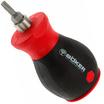
For most pocket knives, you will need a Torx screwdriver. We use the Böker Plus Toolkit, the Wera Bit-Check 10 Torx or the KNAFS Torx Bit Driver. Does your knife have hex screws? Take extra care with American brands: they often use inch-sized (Imperial) hex screws. A metric hex key may seem to fit but can damage the screw head without you noticing.
Do the screws on your knife have a coating? Place a piece of plastic bag over the screw before putting the screwdriver on it. This makes it less likely you will damage the coating. Working on a rubber work mat? Small screws will not roll away.
Tools to centre a pocket knife


How to centre a pocket knife in 8 steps
Take your time and follow these steps in order. Rushing is the quickest way to strip a screw.
Step 1: loosen the handle screws
First, loosen the handle screws. You do not need to remove them completely. If a screw does not loosen easily, stop and read how to disassemble a pocket knife properly before continuing.
Step 2: loosen the pivot screw
Now loosen the pivot screw, which the blade rotates around. You do not need to remove it completely either.
Step 3: push the blade past the centre
Keep the knife closed and push the blade towards the handle scale furthest from it. This moves the blade just past the centre.
Step 4: tighten the pivot screw
Hold the blade against the handle in that position and retighten the pivot screw. The blade can no longer come out of the handle.

Step 5: tighten the rearmost handle screw
First, tighten the handle screw furthest from the pivot screw.
Step 6: tighten the other handle screws
Tighten the other handle screws, but not all the way. Leave them slightly loose: this small detail affects how smoothly your knife opens.
Step 7: open the blade
Loosen the pivot screw enough to open the blade and let the liner lock or frame lock hold it open.
Step 8: find the sweet spot
Adjust the pivot screw until you find the sweet spot: the blade has almost no side-to-side play, and the knife opens smoothly. You may also need to adjust the handle screws slightly.
Is your pocket knife still not centred properly?
Repeat the steps, adjusting one thing slightly each time. For example, with the blade closed, push it towards the other side of the handle, or loosen or tighten the screws a little.
Do your knife's screws keep coming loose, or do the screw holes feel slightly stripped? Use a low-strength threadlocker, such as Loctite 222, and let it cure for 24 hours before using the knife again. If a screw is worn out, you can find replacement screws for pocket knives in our range.
Working on your pocket knife and the warranty
You centre or disassemble your pocket knife at your own risk. Knivesandtools and the manufacturer of the pocket knife or spare parts you use are not liable for damage to parts, injuries or consequential damage. With many brands, working on your knife yourself also voids the warranty. Before you start, check the warranty terms on the manufacturer's website, the packaging or in the instruction manual. Read more in warranty explained.


